Pop-Up Housing: Transforming Emergency Shelter Solutions
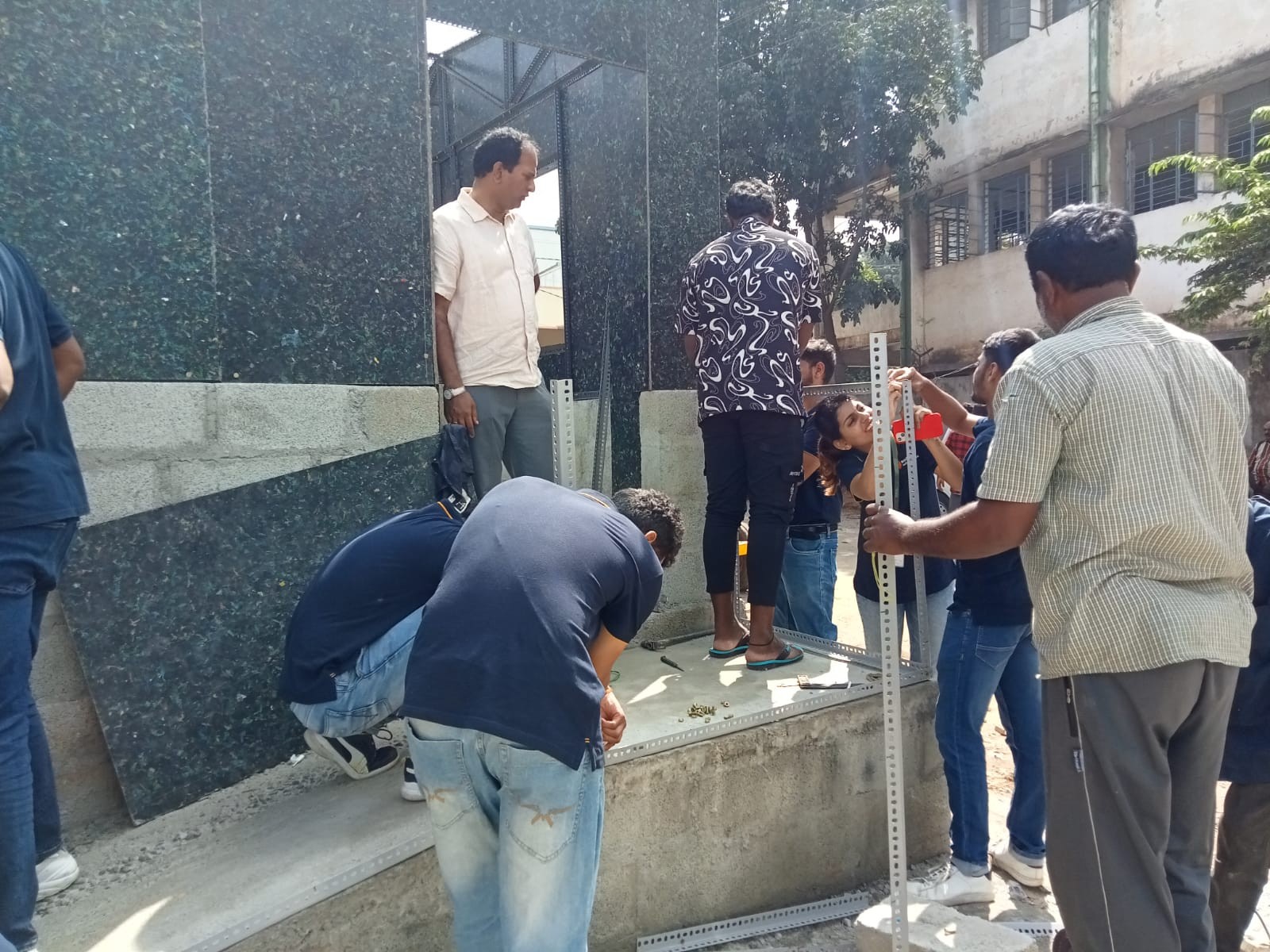
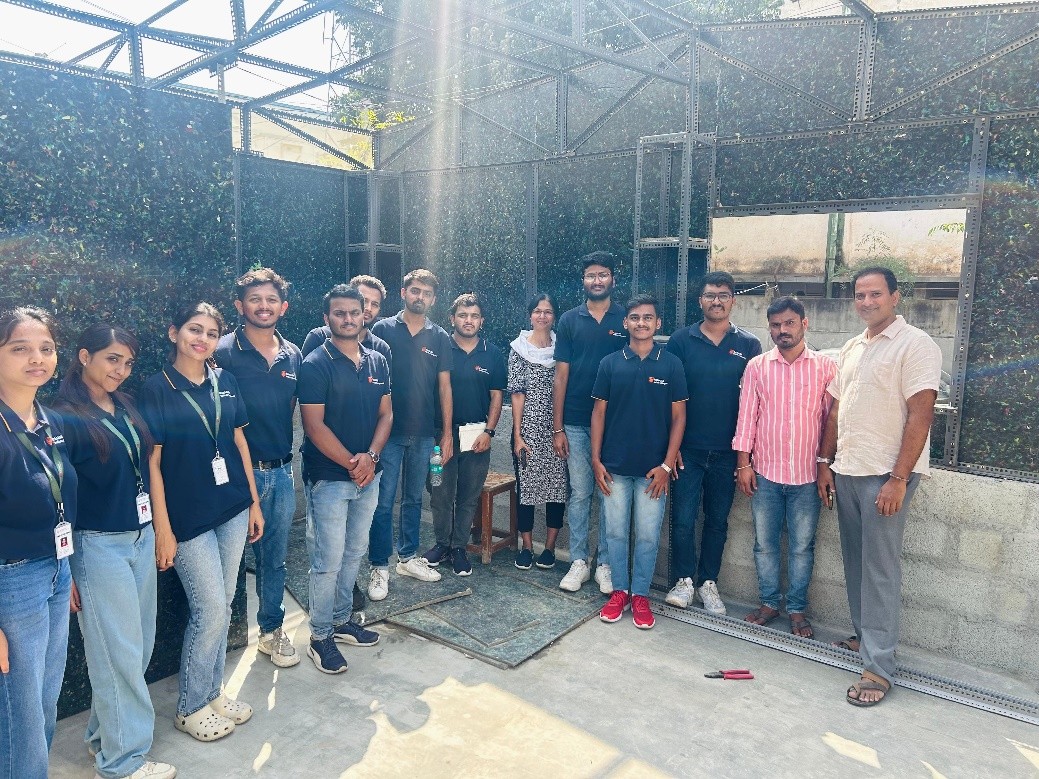
Field visit on December, 7, 2024
Executive Summary
Pop-Up Housing has established itself as a groundbreaking force in the sustainable housing sector, revolutionizing emergency shelter solutions. Their methodology focuses on developing cost-effective, rapidly deployable housing kits engineered for urban disadvantaged populations, migrants, and humanitarian organizations.
Their commitment to lightweight, adaptable designs and community engagement has positioned them as a crucial player in addressing global housing challenges. Their approach balances immediate humanitarian needs with long-term environmental sustainability, setting new standards in emergency shelter solutions.
Organizational Foundation and Mission
Pop-Up Housing's mission extends beyond temporary shelter provision, addressing housing crises through a comprehensive approach. They understand that emergency shelter needs arise from various circumstances, including natural disasters, urban homelessness, and forced displacement.
Their collaboration with Hasiru Dala (NGO) for Pallet Shelter demonstrates their commitment to creating lasting impact through transitional shelter communities. This partnership addresses unsheltered homelessness through quick-assembly solutions that prioritize dignity and functionality. Their approach recognizes that effective solutions must consider both immediate shelter needs and long-term community integration.
Evolution and Market Context
Pop-Up Housing's solutions have evolved in response to contemporary global challenges. Rapid urbanization has intensified pressure on housing infrastructure, particularly in developing regions. Climate change has increased natural disasters' frequency, creating new patterns of displacement and urgent shelter needs.
The global refugee crisis has highlighted the importance of rapid housing solutions. Pop-Up Housing has adapted to these challenges by incorporating lessons from various contexts while maintaining their commitment to sustainability and social responsibility.
Technological Innovation and Sustainability
The organization integrates technological innovation with sustainable practices in their shelter solutions. Their designs feature prefabrication techniques enabling quick assembly while maintaining structural integrity. Advanced features include solar panel systems and IoT-based monitoring solutions.
Their commitment extends to material science, pioneering recycled and sustainable materials that meet environmental and practical requirements. This approach demonstrates their understanding that emergency shelter solutions must balance immediate needs with sustainability goals.
Operational Framework and Implementation
Pop-Up Housing's operational model reflects their understanding of providing emergency shelter solutions at scale. Their funding incorporates diverse revenue streams, including strategic donations, grants, and corporate partnerships. They maintain extensive networks with government bodies, NGOs, and local organizations to enhance deployment efficiency.
Their implementation process coordinates manufacturing, transportation, and assembly, with trained personnel ensuring quality construction. This approach enables them to maintain high standards while responding rapidly to emergencies.
Field Observations and Current Projects
The Peenya area project demonstrates Pop-Up Housing's practical implementation strategies. Under housing innovator Sampath Reddy's leadership, they constructed an Anganwadi school using advanced recycled plastic sheets with superior heat resistance, sound insulation, and water resistance properties.
Their partnership with SAAHAS waste management and Hasiru Dala exemplifies their commitment to environmental sustainability while addressing local waste management challenges. This project shows how emergency shelter solutions can evolve to serve broader community needs.
Challenges and Strategic Considerations
Pop-Up Housing faces complex challenges in providing emergency shelter solutions globally. They must balance temporary solutions with long-term displacement needs, requiring constant innovation. Cultural adaptation demands modifications to accommodate local traditions while maintaining efficiency.
Environmental sustainability challenges include material selection and sourcing. Financial sustainability requires balancing operational effectiveness with their social mission, complicated by logistical challenges in remote areas.
Impact Assessment and Community Benefits
Pop-Up Housing's impact extends beyond shelter provision, contributing to community development and social stability. Their solutions provide dignified living spaces while creating employment opportunities through manufacturing, logistics, and construction activities.
Their community engagement approach fosters skill development and local empowerment. The organization's work demonstrates how emergency shelter solutions can serve as platforms for broader social development and community
Conclusion
Pop-Up Housing exemplifies innovative thinking in addressing global housing challenges. Their approach combines humanitarian concerns with practical solutions, creating meaningful impact through carefully designed shelter solutions.
Their guiding principle, "Profit for People, Not Just Pockets," reflects their balanced approach to achieving social impact while maintaining sustainability. Through their work, they demonstrate that emergency shelter solutions can catalyze broader social change and community development.